Download Printer Friendly PDF of “8 Reasons to Test for Mold”

Molds are a natural and necessary part of nearly every ecosystem. Molds break down organic matter. Unfortunately, our homes are also made out of organic materials including wood and wood fibers.
If mold growth gets out of control, it can cause health issues, structural damage through wood rot, and is often a sign of moisture problems in the home. Molds reproduce by means of tiny airborne spores too small to be seen with the naked eye. Mold can begin growing indoors within 48 hours when spores are present on wet surfaces.
Below are some of the top reasons mold testing may be beneficial:
Health Concerns
Mold can trigger allergic reactions, respiratory problems, and other health issues. Testing can help determine if there are unhealthy levels of molds present in your home that could be affecting your health. If you or a family member has allergies or asthma, a mold test can help identify different types of molds that may be triggering these conditions. You should always work with your doctor to address medical issues but identifying and addressing mold problems may help reduce the underlying causes of some symptoms.
Odor Determination
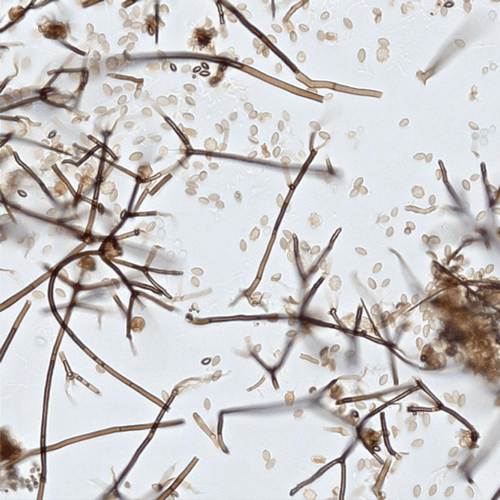
A musty odor is often a sign of mold, but it can be difficult to identify the source of the smell. A mold test can help document the presence of spores from mold growth; even if it’s not visible or in inaccessible areas.
Purchase or Sale of a Home
If you’re buying or selling a home, a mold test can provide important information about the condition of the property. A mold test can help identify existing problems and provide information on how to proceed.
Peace of Mind
Mold can be a hidden problem. You may not know it is there until it has caused significant damage. A mold test can help give you peace of mind by identifying hidden mold problems before they become a larger issue.
Property Damage
Mold can cause structural damage to your home and belongings. Mold can grow on a variety of building materials, including drywall, wood, and carpet. A mold test can help identify the presence, types, and severity of mold, which can help you determine the best course of action for remediation.
Insurance Claims
If you need to file an insurance claim related to mold damage, a mold test can provide objective evidence to support your claim. This may help ensure you receive the appropriate compensation for any mold-related damage.
Legal Liability
If you are a landlord or property manager, you may have a legal obligation to ensure your rental properties are free of mold. A mold test can provide documentation that you have taken appropriate steps to address any mold problems.
Greater Responsibility
Some places such as schools, healthcare facilities, churches, businesses or other buildings serve larger numbers of people who could be affected by mold. Mold testing can help those responsible, ensure their property is ready to serve occupants safely.
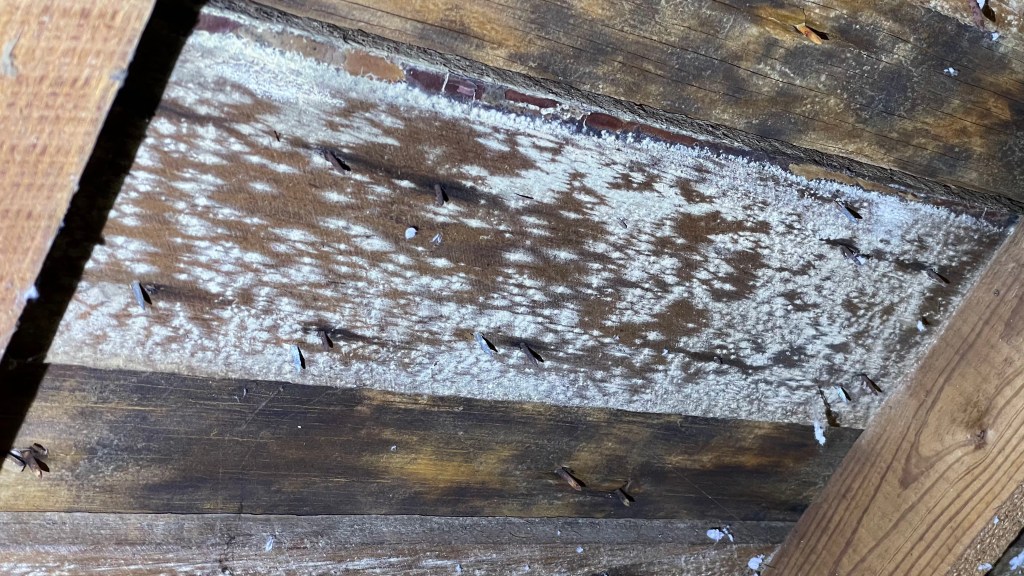
The key to controlling mold growth is controlling moisture levels and promptly addressing any water leaks or spills. It’s also important to ventilate areas prone to moisture such as bathrooms, kitchens, and crawlspaces.
Common sources of water that can support mold growth include:
- Rain, snow, or ice leaking in through the roof, windows, or other exterior penetrations
- Plumbing leaks in water supply lines, sewer pipes, or drain lines
- Condensation from excessive humidity
- Intrusion through the foundation or exterior walls from ground water, rain gutters, or surface run-off
I hope this is helpful. In View Inspection offers mold testing with air and surface sampling available. Reports are usually back within 3 to 5 days. If you have any questions, please feel free to contact me.
Additional Resources
EPA – A Brief Guide to Mold, Moisture and Your Home

 In View Inspection
Leave a comment